Understanding DC School Closings: A Comprehensive Guide For Parents And Students - Uncertainty and stress caused by frequent closings can contribute to anxiety and depression among students. Providing adequate support during these periods is crucial for maintaining mental well-being. Involving parents, teachers, and community members in decision-making processes fosters transparency and accountability.
Uncertainty and stress caused by frequent closings can contribute to anxiety and depression among students. Providing adequate support during these periods is crucial for maintaining mental well-being.
Parents play a critical role in mitigating the effects of DC school closings. Here are some strategies to support your child's education and well-being:
DC school closings have become a critical issue affecting thousands of families across the District of Columbia. Whether due to emergencies, weather conditions, or systemic challenges, these closures impact educational continuity and family planning. As a parent, guardian, or student, understanding the reasons behind these closings and how to stay informed is essential for navigating this complex situation.
Outbreaks of infectious diseases or pandemics, like the recent COVID-19 crisis, necessitate closures to prevent the spread of illness. Public health protocols dictate when schools can reopen safely.
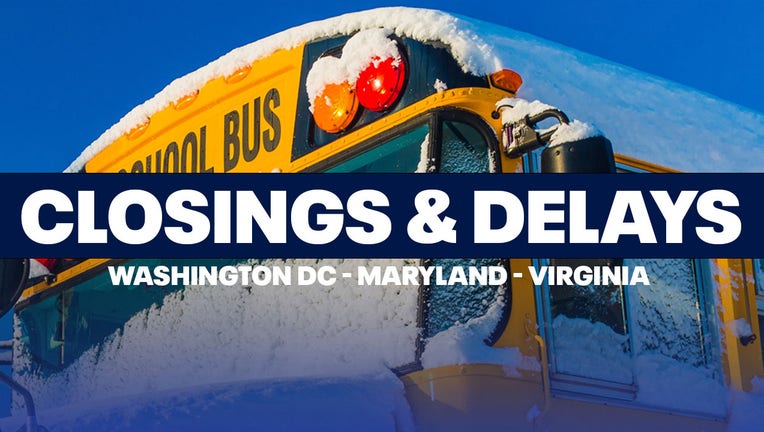
School closings, delays in DC, Maryland, Virginia for Wednesday
Collaborating with local organizations to provide wraparound services, such as childcare and meal programs, supports families during closures.
Preparing for DC school closings involves proactive planning to minimize disruptions. Consider the following steps:
Parents forced to take time off work to care for children during closings may face reduced income or career setbacks.
By exploring the reasons behind DC school closings, available resources, and steps you can take to mitigate the impact, this article will equip you with the knowledge to navigate these disruptions effectively. Let's delve deeper into this critical topic and uncover the solutions you need.
Closings disrupt peer interactions, extracurricular activities, and collaborative learning opportunities. This isolation can affect students' emotional health and social skills development.
Programs like the Supplemental Nutrition Assistance Program (SNAP) and Pandemic-EBT (P-EBT) provide financial aid for food expenses during school closures.
Incorporate hands-on activities and real-world applications to keep learning engaging and relevant.